
The allure of risk and reward
The thrill associated with gambling stems largely from the allure of risk and reward. When individuals engage in gambling activities, they are often drawn in by the possibility of winning significant rewards, which creates an exciting anticipation. This anticipation triggers the brain’s reward system, releasing dopamine, a neurotransmitter linked to pleasure. For those seeking a unique experience, click here to explore various casino options that offer exhilarating emotions that few other experiences can match. The rush of excitement when placing a bet can be akin to the adrenaline felt in other high-stakes scenarios, such as extreme sports or competitive events.
Moreover, the brain’s response to the prospect of winning can lead to behaviors that prioritize the gambling experience over rational decision-making. The excitement of a potential windfall can overpower logical thinking, making individuals more likely to engage in high-stake bets. This creates a cycle where the feeling of euphoria from winning and the disappointment from losing can both be intense, fueling a desire to continue playing in hopes of recapturing that high. This emotional rollercoaster is part of what keeps individuals returning to gambling venues, as the highs can feel incredibly rewarding compared to the lows.
This psychological phenomenon can also be attributed to what is known as the “gamblers’ fallacy.” This belief occurs when individuals think that past events can influence future outcomes in random games. For instance, a gambler may believe that because a certain number hasn’t come up in a while, it is due to appear soon. This fallacy further entices individuals to gamble, as they convince themselves that they can predict outcomes based on previous trends, even in a completely chance-driven environment. Such misconceptions can lead to an increased frequency of gambling, as players chase after what they perceive to be a “lucky streak.”
The social aspect of gambling
Gambling is often perceived as a social activity, with many individuals participating in games with friends or family members. The environment of casinos and betting establishments further enhances this aspect by providing a space for social interaction. Engaging in gambling with others can foster a sense of belonging and camaraderie, which adds to the overall enjoyment of the experience. The shared excitement of winning or even the collective disappointment of losing brings people together, creating memorable moments that extend beyond the act of gambling itself. For many, a night out at a casino or a game night can become a cherished tradition.
Furthermore, communication and interaction during gambling can lead to a phenomenon known as “social reinforcement.” When people observe others winning or enjoying the gambling experience, it can strengthen their desire to join in, creating a ripple effect where the excitement is contagious. This makes gambling not just a solitary pursuit but a community-oriented activity that appeals to those seeking social engagement. The celebratory atmosphere of a casino, filled with cheers and laughter, can be a powerful motivator for individuals to participate, often leading to increased gambling activity.
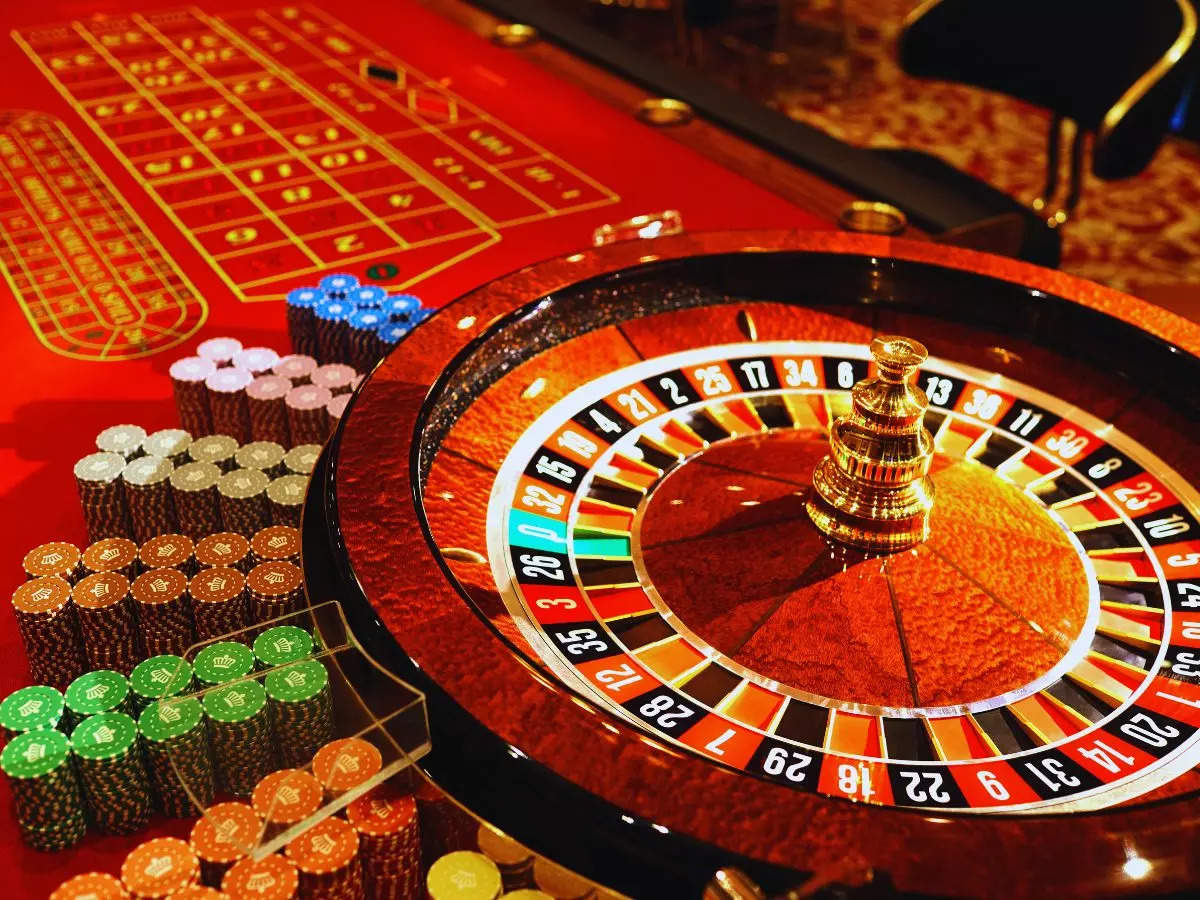
Beyond the friendships formed at tables and gaming machines, the social aspect extends to online platforms as well. Virtual gaming rooms and betting sites often feature chat functions, enabling players to interact with fellow gamblers from around the world. This sense of community can make the experience more enjoyable and may lead to increased participation, as individuals feel connected through shared interests and excitement over the games. Online tournaments and multiplayer games further enhance this aspect, providing a platform for players to engage with one another beyond the confines of physical spaces.
The psychological triggers of gambling
Various psychological triggers play a significant role in why individuals are drawn to gambling. One of the most prevalent triggers is the concept of “near misses.” In gambling, a near miss occurs when an outcome is close to a win, such as spinning two matching symbols on a slot machine and not quite landing the third. These near misses can be just as thrilling as actual wins, as they create a false sense of hope that victory is within reach, compelling individuals to keep playing in pursuit of that elusive success. This phenomenon can lead to increased gambling behavior as players rationalize that they are “so close” to winning.
Additionally, the random reinforcement schedule found in many gambling games enhances player engagement. Unlike traditional rewards, which are given consistently and predictably, gambling outcomes are intermittent and uncertain. This unpredictability can create a compelling sense of excitement, as players are often rewarded with small wins that encourage them to continue playing, even if they experience a series of losses. This rollercoaster of emotions keeps players hooked, as they chase the next high along with the opportunity for substantial financial gain. The excitement of an unexpected win can lead to a heightened state of arousal, making it difficult for players to walk away.
Moreover, marketing strategies utilized by casinos and online gaming platforms further amplify these psychological triggers. Colorful graphics, enticing slogans, and sensational advertisements are designed to captivate potential players. Promotions like free spins or bonus credits are also utilized to lower the barriers to entry, encouraging individuals to gamble more frequently. By effectively combining psychology with marketing, gambling establishments can create an environment that feels irresistible, making it difficult for individuals to resist the lure of gambling. This calculated approach to attracting players highlights the sophisticated understanding of human behavior within the gambling industry.
The consequences of gambling addiction
While gambling can be a thrilling and socially engaging activity for many, it can also lead to detrimental consequences. Gambling addiction, known formally as compulsive gambling or gambling disorder, can have severe effects on an individual’s life, including financial ruin, strained relationships, and mental health issues. This disorder often develops as individuals find themselves unable to stop gambling despite adverse outcomes. The urge to gamble can become obsessive, overshadowing responsibilities and negatively impacting overall well-being. Many individuals may find themselves in situations where they have depleted their savings, run up debts, or even resorted to illegal activities to fund their gambling habits.

Individuals grappling with gambling addiction may find themselves prioritizing gambling over other essential aspects of their lives, such as work, family, or personal interests. This behavior leads to a vicious cycle where the need to recover losses drives further gambling, resulting in escalating risks and financial strain. The obsession with gambling can lead to isolation and depression, as individuals may begin to withdraw from their social circles due to feelings of shame or guilt related to their gambling habits. The emotional toll of addiction can be debilitating, as the stakes of gambling rise not only financially but also in terms of personal relationships and mental health.
Treatment for gambling addiction often involves therapy and support groups, emphasizing cognitive-behavioral approaches to help individuals understand and confront their urges. Support from family and friends is crucial during this process, as is fostering healthier coping strategies. Recognizing the psychological factors that contribute to gambling addiction can help those affected begin to reclaim control over their lives, leading to a healthier relationship with gambling and leisure activities. Initiatives to promote awareness and provide resources for affected individuals are essential to combating the stigma associated with gambling addiction.
Exploring responsible gambling practices
As the prevalence of gambling continues to rise, implementing responsible gambling practices has never been more critical. This concept emphasizes the importance of engaging in gambling activities mindfully and within one’s financial means. Setting limits on time and money before gambling sessions can help individuals enjoy the experience without falling victim to the traps of addiction. Education about the odds of games and the risks involved can empower players to make informed decisions, minimizing potential harm. Responsible gambling initiatives often encourage players to assess their habits regularly and consider the impact of their gambling on their lives.
Furthermore, many gambling establishments are increasingly acknowledging their role in promoting responsible practices. This acknowledgment manifests in initiatives like self-exclusion programs, where individuals can voluntarily ban themselves from gambling venues or online platforms. By offering resources for those in need, casinos and betting sites can contribute to a safer gambling environment, thus reducing the risk of addiction and its associated consequences. These programs are designed to help individuals take proactive steps to manage their gambling behavior, highlighting the industry’s responsibility to protect its patrons.
Fostering a culture of responsible gambling also includes promoting open conversations about gambling habits and addiction. By encouraging individuals to share their experiences and challenges, societal stigmas surrounding gambling issues can be reduced. Awareness campaigns and community support can significantly impact preventing gambling addiction and ensuring that gambling remains a safe and enjoyable activity for all. By creating an environment where discussing gambling is normalized, individuals may feel more comfortable seeking help, leading to healthier gambling practices.